



According to the Food and Agriculture Organization of the United Nations (FAO), food waste has reached staggering numbers worldwide.
“More than 1000 million meals are wasted every day, equivalent to 1.3 meals per day for each hungry person in the world,” the organization states.
In Argentina alone, 16 million tons are lost annually. Why does this happen and how can it be reduced.
Food waste: the numbers in Argentina
According to UN statistics, if the issue of food waste could be solved, everyone in the world who suffers from hunger would have an extra meal per day.
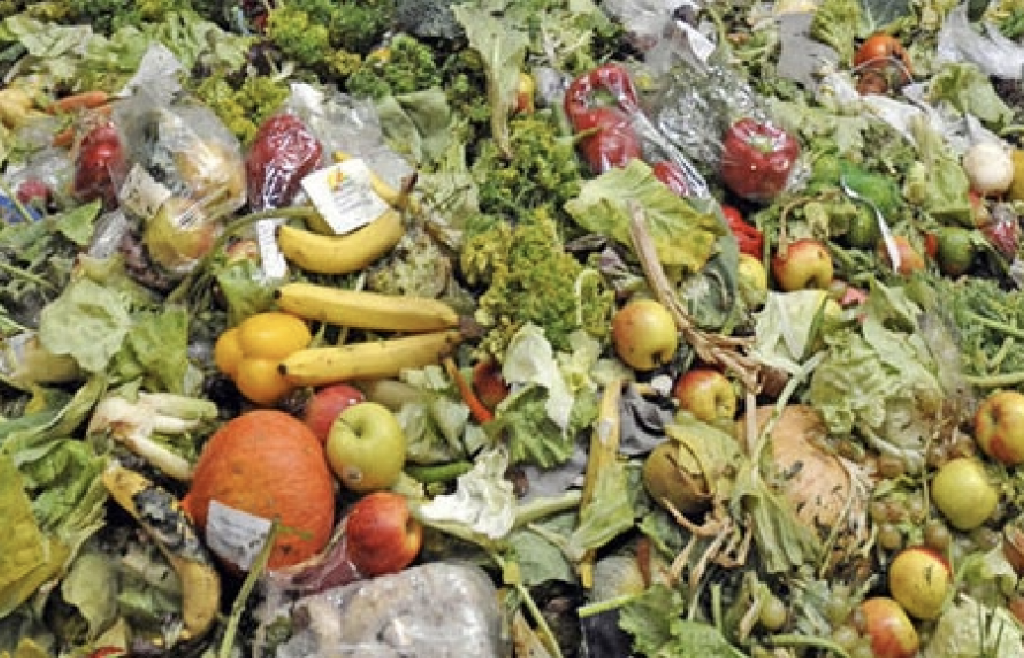 The drama of food waste.
“On a global scale, approximately 13% of food produced is lost between harvest and retail sale. Added to this is the fact that around 19% of total food production is wasted in households, restaurants, and retail trade,” highlights the UN commission.
The country’s numbers are not more encouraging. “Particularly in the City of Buenos Aires, an average of 8.4 kilograms of food is discarded per year.
According to a recent report from the Faculty of Agronomy of the University of Buenos Aires (FAUBA), greengrocers have become a key point of food waste.
According to the data, each of the 2400 stores discards, on average, 22 kilograms of fruits and vegetables daily, representing about 50 tons of organic waste per day.
This volume, in addition to its environmental impact, represents an economic loss of up to $26 per store daily.
How to reduce waste
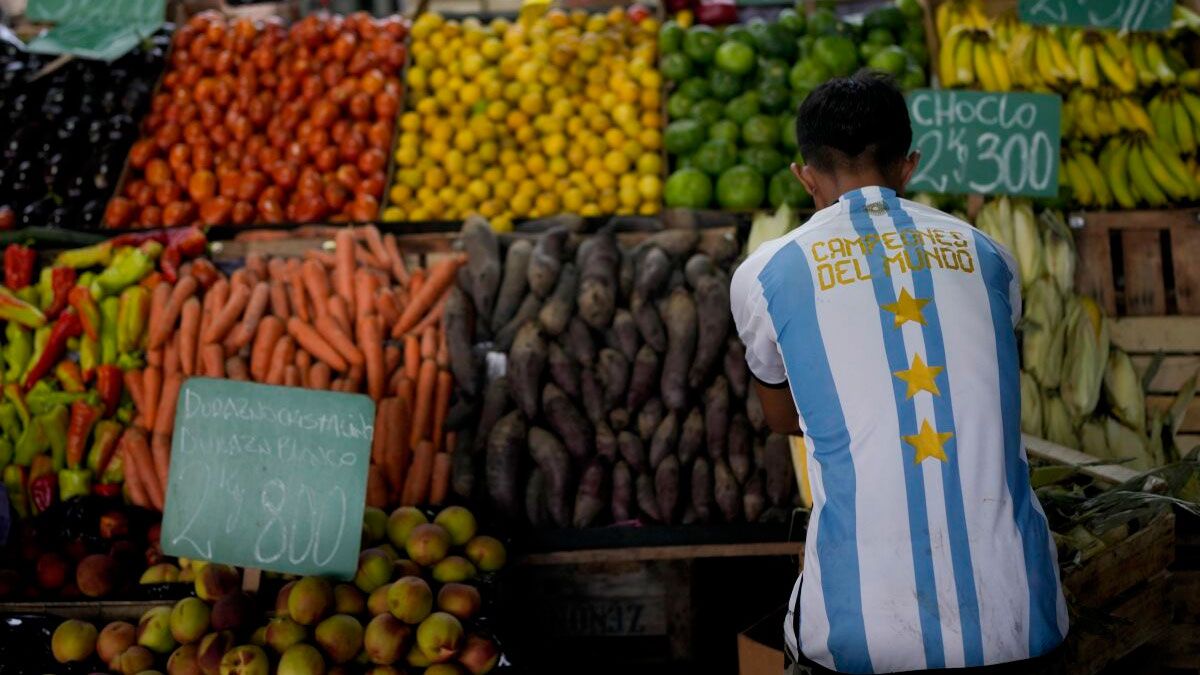 Food waste in Buenos Aires’ greengrocers.
There are many points to consider, as consumers, before reaching the extreme of wasting fresh food and having to discard it. Some tips to consider:
- Plan in advance which meals we are going to prepare and consume.
- Choose locally sourced products
- Compost leftover vegetables
- Store food properly: keep the refrigerator at a temperature below 5°C, store cooked foods on the upper shelves and raw foods on the lower ones, use airtight containers to store open foods, do not store fruits and vegetables together as some emit gases that spoil them.
- In restaurants, ask for leftovers to be packed.
- When purchasing the same vegetable, make different preparations.
- Calculate each portion realistically, as it is very common to use excess food
- If you know you will be away from home for a certain period, do not buy food in bulk
Have you already checked our YouTube channel? Subscribe now!



