



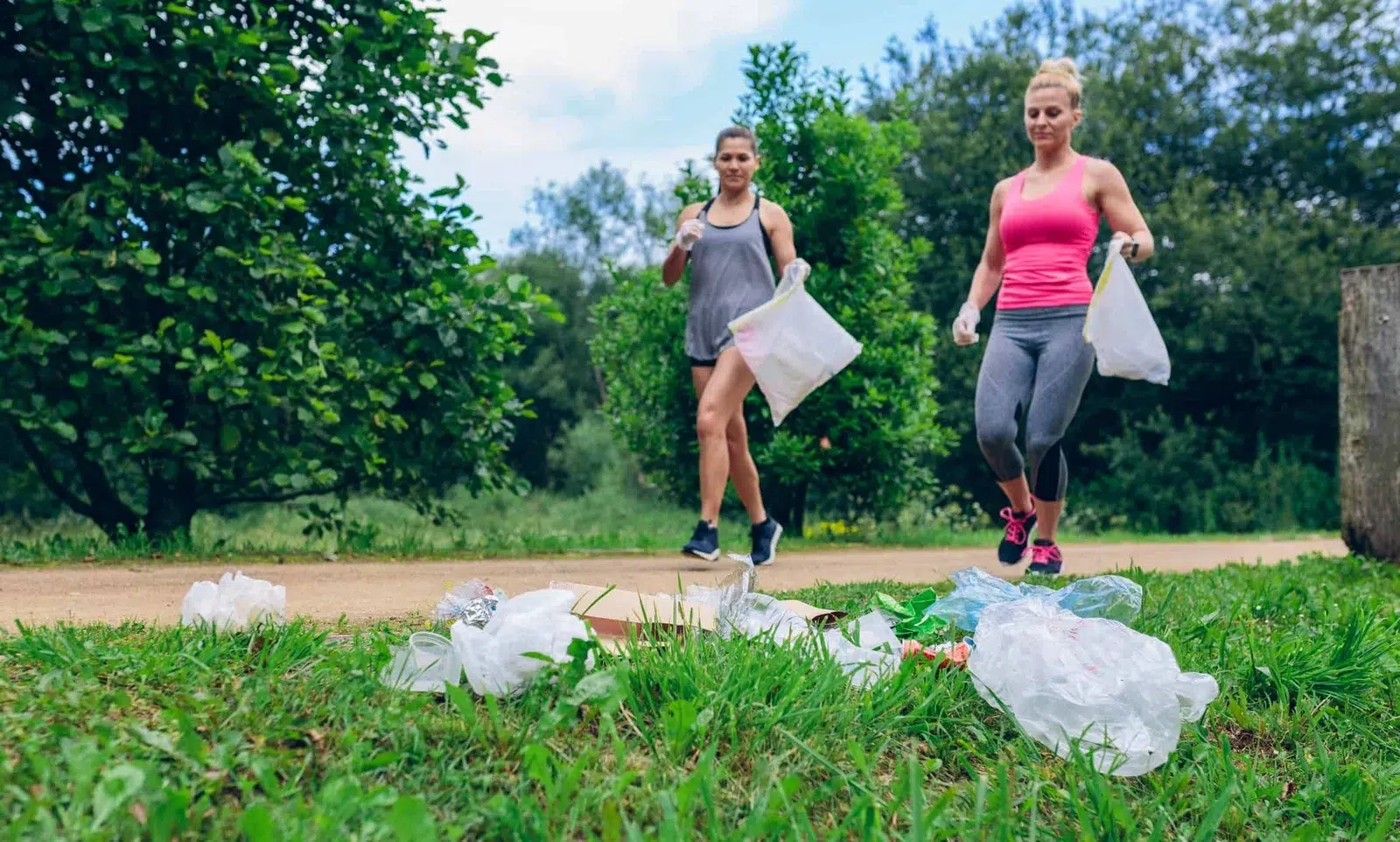
Plogging is revolutionizing urban sports by combining physical activity with environmental action. The practice involves running or walking while picking up public litter.
In New York, driven by organizations like New York Road Runners (NYRR), the movement has expanded since 2019 and is now part of iconic races such as the United Airlines NYC Half Marathon, the RBC Brooklyn Half Marathon, and the New York Marathon.
The term comes from the Swedish plocka upp (“pick up”), and reflects the idea that small actions can have a great impact on the community and the environment.
Community and Civic Engagement
Plogging not only cleans the streets, it also creates a committed community. According to Aly Criscuolo, NYRR’s sustainability director, exposure at major sporting events allows the practice to reach neighborhoods outside the official circuit. The average participation reaches almost 100 attendees, including runners and neighbors interested in sustainability.
Retired marathoner Tina Muir highlighted that joining these events changed her understanding of the sport: “I was excited to participate in something concrete and feel that I could contribute positively to my environment.” This multiplier effect inspires others to replicate the behavior in favor of the planet.
Health Benefits
In addition to the environmental impact, plogging offers physical advantages:
- Increased fat burning: by alternating running with breaks, the heart rate remains lower, favoring recovery.
- Muscle training: bending down to pick up trash involves movements similar to squats and lunges.
- Disease prevention: strengthens bones, regulates metabolism, and helps prevent type 2 diabetes.
Coach Jason Fitzgerald recommends designing familiar routes, as exercise time is extended by breaks, improving aerobic endurance.
Psychological and Social Impact
Plogging also has emotional benefits:
- Reduction of depressive symptoms: aerobic activity combined with community action generates well-being.
- Personal satisfaction: picking up trash provides a sense of usefulness and belonging.
- Strengthening social bonds: group dynamics reduce feelings of isolation and foster friendship.
For Muir, the most valuable aspect is accessibility: anyone can participate, regardless of athletic level, making plogging a tool for building community.
Plogging demonstrates that sports can go beyond individual well-being. By combining physical exercise with environmental awareness, it transforms streets into spaces of collective action and ecological education. In New York, this practice is already part of urban life and shows that health, community, and the environment can be integrated into a single movement.




