



As the world accelerates towards electric mobility, a new environmental threat grows silently: the mountains of depleted batteries. Faced with current methods, which involve furnaces, acids, and large emissions, a British startup proposes a solution inspired by nature and millions of years of evolution: recycling bacteria.
Cell Cycle, part of the SER group, has developed a process that replaces industrial foundries with simple tanks full of bacteria. These microorganisms, present on Earth for 50 million years, can extract metals such as lithium, cobalt, and nickel without generating toxic waste.
This biological approach works at room temperature, without aggressive reagents or large infrastructures. Instead of polluting, it consumes CO₂ and releases oxygen, moving towards a carbon-negative recycling process.
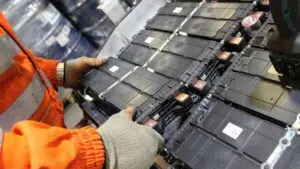 Recycling bacteria. Photo: Ecoinventos.
A microscopic and sustainable revolution with recycling bacteria
The bacteria used were selected for their ability to dissolve minerals in natural conditions. In the laboratory, they adapt to decompose used batteries with remarkable efficiency. A single bioreactor is enough to carry out the process, allowing for agile, local, and scalable implementation.
In addition to its low environmental impact, the system offers technological independence. It avoids the export of waste to countries with lax regulations and allows regions to develop their own recycling infrastructure. This is key in contexts where there are still no treatment plants for depleted batteries.
The startup projects that its technology will be ready for commercial operations in 2026. It has already opened a second laboratory in Manchester and is moving towards a more equitable, efficient, and regenerative circular economy, where waste does not travel thousands of kilometers to become useful again.
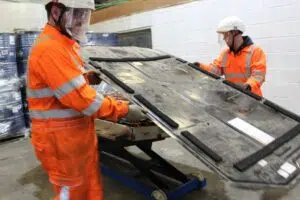 An innovative method that surprises in battery recycling. Photo: Ecoinventos.
Environmental benefits and differences from other methods
Unlike traditional systems —which require smelting at over 1,500 °C or the use of aggressive solvents—, Cell Cycle’s biological process minimizes energy consumption and completely eliminates toxic byproducts. It does not require incineration, reducing polluting emissions and occupational risks.
The use of bacteria also decreases the need for new mining extractions. By efficiently recovering critical metals, it helps reduce pressure on fragile ecosystems and populations affected by intensive extractive activities.
Additionally, the system does not generate hazardous waste and can operate in small spaces. This allows its integration in urban or peripheral areas, promoting decentralized waste management models. Thus, biotechnology turns a growing problem into a tangible ecological opportunity.



