



San Carlos de Bariloche, a tourist city in the Argentine Patagonia famous for its lakes, mountains, and alpine architecture, faces a lesser-known issue: the presence of loose horses wandering through streets and roads. These animals, often abandoned or without a legal owner, pose a risk to road safety and animal welfare.
An unprecedented measure
The municipality launched the Municipal Program for Responsible Adoption of Equines, which offers an institutional solution for horses captured on public roads. The initiative seeks to ensure their recovery and reintegration into families that can provide them with adequate care.
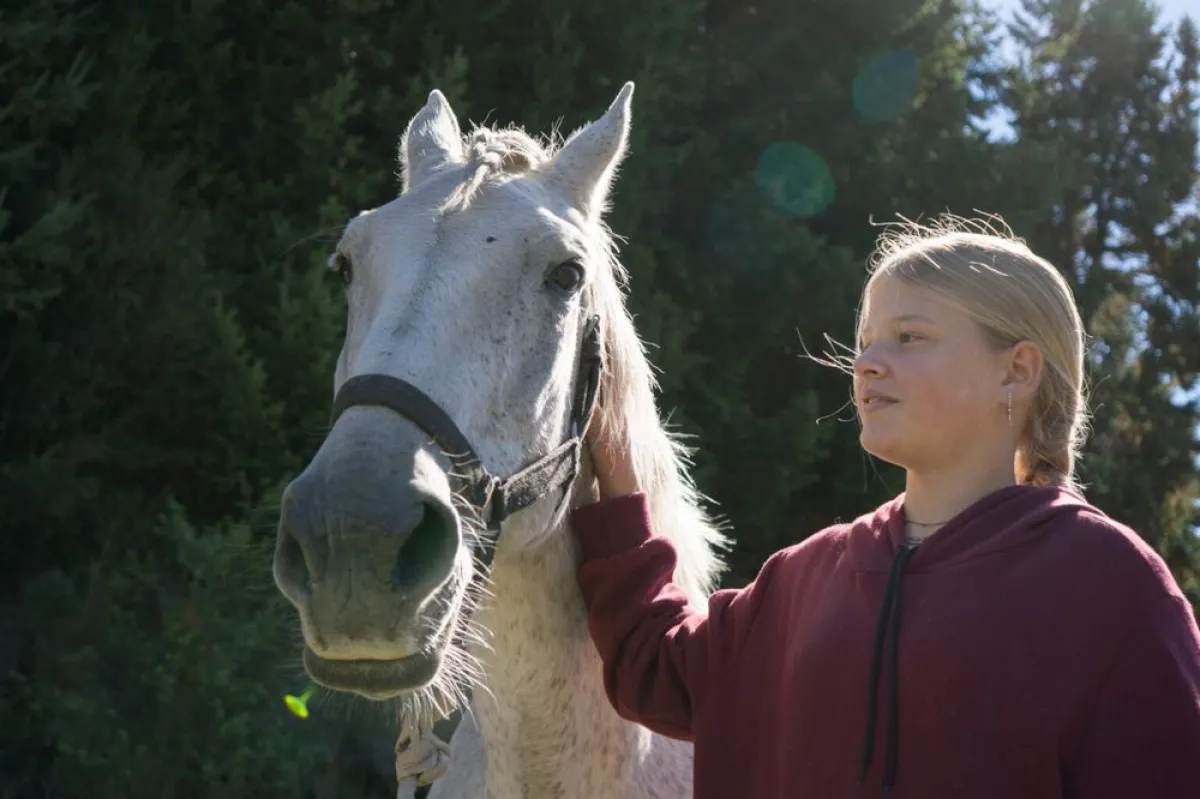
At the Circuito Chico farm, the second responsible adoption was completed: Kairo, a horse rescued on public roads, received veterinary and nutritional care before being handed over to his new family. The process included interviews and evaluations to ensure the animal would have shelter, food, water, and a safe environment.
Responsible ownership and road safety
The head of the area, Pablo Roque, explained that a loose horse weighing 500 or 600 kilos can cause serious accidents. Therefore, adoption involves specific conditions:
- Adequate shelter.
- Food and access to water.
- Veterinary support and care.
- Staying within a property, avoiding risks on public roads.
Currently, more than 40 people are part of the municipal registry of adopters, allowing each case to be analyzed “horse by horse” and ensuring the destination is appropriate.
A sustained public policy
The program is part of a policy promoted by Mayor Walter Cortés, who strengthened the area with specific equipment, such as a horse transport cart. This allowed for a more effective approach to the issue of loose horses, improving road safety and the living conditions of the animals.
The municipality is already working on connecting three other horses, moving towards a sustained and responsible solution.
Adoption stories
The protagonist of this second adoption was Micaela, a young woman who found much more than a horse in Kairo: “It was love at first sight. He is my first horse, I dreamed of him since I was a child”, she recounted emotionally. Her commitment includes training him for jumping and providing all the necessary care in this new stage.
Each adoption is a story that begins anew, a bond built with patience and dedication. Beyond material care, what is essential is the presence and human companionship, which allow for healing and giving a second chance to rescued animals.
The responsible horse adoption program in Bariloche sets a precedent in public animal welfare policies in Argentina. It offers concrete solutions to a historical problem, combines road safety with equine protection, and demonstrates that community management can transform realities.



