



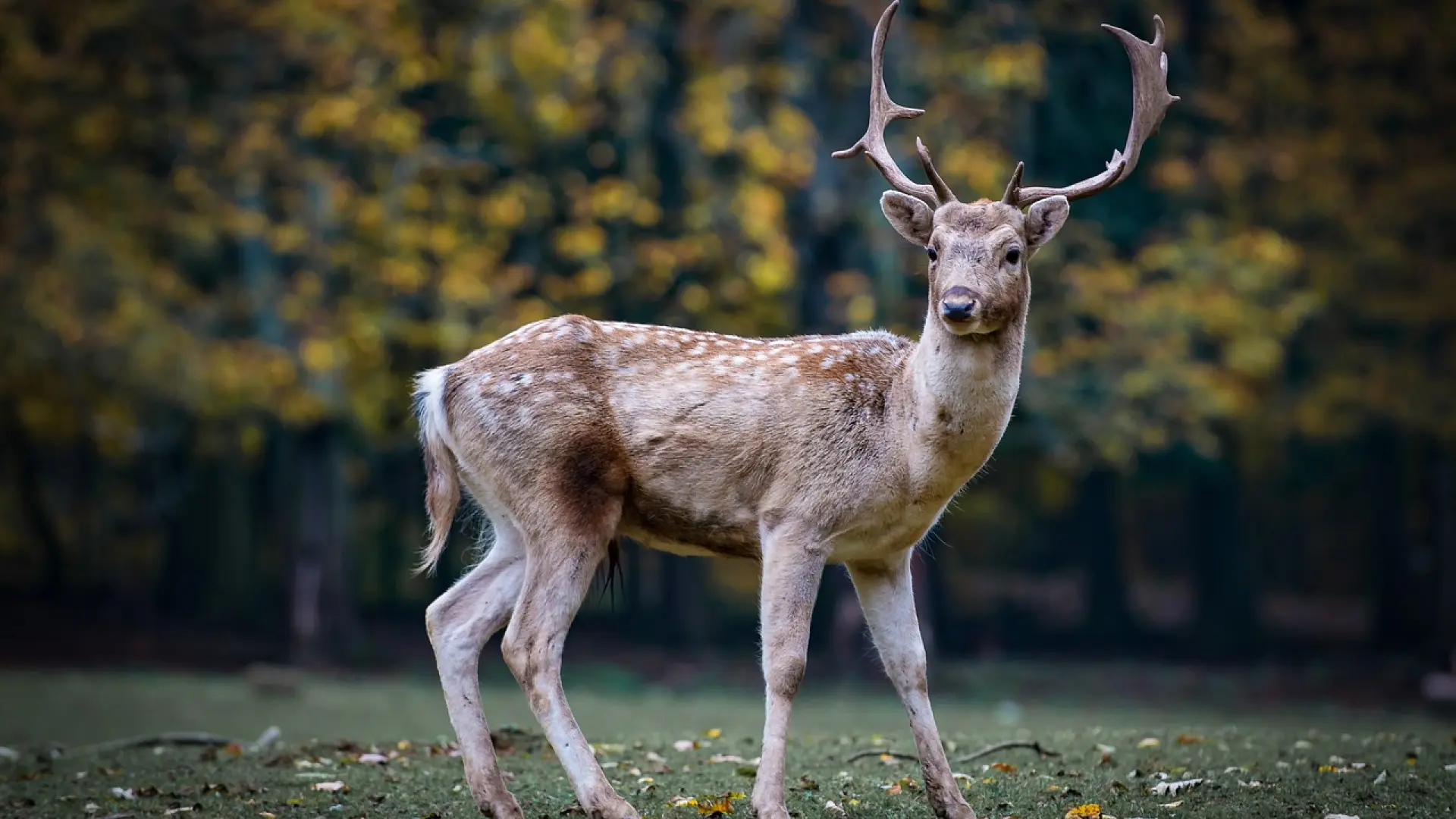
The California Fish and Wildlife Authority approved a restoration plan on Santa Catalina Island, off the coast of Los Angeles, which involves the gradual elimination of almost the entire population of mule deer introduced in the last century for hunting purposes.
The proposal, driven by the non-profit organization Catalina Island Conservancy, aims to allocate the obtained meat to the California Condor Recovery Program, as a natural food source for this endangered species.
Debate on Conservation and Legitimacy
The decision reopens a classic debate in the management of islands with introduced fauna: how far should conservation go when the most effective measure is also the most socially questioned.
Catalina has been applying regulated hunting and population control for years, but the Conservancy argues that the extraction rate has not managed to curb the pressure on native vegetation or the advance of invasive plants. Therefore, it proposes moving from annual control to a strategy of total eradication.
Strategy for Executing the Mule Deer
The approved plan rules out, at least for now, the most controversial option: hunting from helicopters. Instead, specialists will be deployed on the ground with rifles, under safety protocols, which will prolong the process over several years.
Among the official arguments is also the reduction of the risk of forest fires, as habitat degradation favors pyrophytic species that increase the landscape’s vulnerability.
Criticism and Social Opposition
Los Angeles County Supervisor Janice Hahn called the plan “drastic” and “inhumane” and requested reconsideration of the authorization. Hahn warned that the sudden disappearance of a large herbivore could have counterproductive effects on fire risk by leaving part of the shrubland uncontrolled. She proposed alternatives such as relocation or reproductive control programs, although the Conservancy replied that these options present practical, health, and economic limits on an island territory.
Opposition has crystallized in public campaigns and petitions to halt the eradication, in a coalition that brings together animal rights advocates and sectors linked to recreational hunting. For many residents and visitors, the deer has become part of the island’s “image,” even though it is not native.
Arguments in Favor
Supporters of the plan frame it within a logic of long-term ecological restoration, similar to that applied on other California Channel Islands, where the removal of introduced species allowed for the recovery of plant communities and improved conditions for endemic fauna. The Conservancy maintains that the removal of the deer is the most challenging step, not only because of its logistical complexity but also because of the social consensus it requires.
To mitigate the impact, a final limited recreational hunting season for residents in the fall of 2026 is planned before the gradual deployment of the eradication program begins.
A Sacrifice with Regional Purpose
The underlying discussion is not only about the “how” but about the “why.” The plan links the removal of the deer with the recovery of native habitats and with supporting the feeding of the California condor, an emblematic species whose survival depends on intensive management programs. Turning the extraction into a piece of the condor recovery machinery is both an ecological argument and a political message: a local sacrifice that feeds regional conservation.
The case of Santa Catalina reflects the tensions between ecological conservation and the social perception of introduced species. While plan supporters see it as a necessary measure to restore biodiversity and support the California condor, critics consider it an inhumane and risky act. The final decision will set a precedent in the management of exotic fauna on islands and in how to reconcile environmental goals with social sensitivities.



