



In the realm of households, food waste occurs in over half of the participants in a regional survey (54.2%) state that they throw away food once a month or less frequently.
However, nearly a quarter of them (23.1%) acknowledge carrying out this practice at least once or twice a week, while 4.2% admit that food waste is a frequent or constant habit in their routine.
Food waste: a regional issue
In order to assess the level of awareness about this issue in Latin America, the organization Cheaf has published the findings of its Regional Survey on Food Waste Perception 2025.
This study, which involved 5,858 people from Argentina, Chile, and Mexico, analyzed the habits, perceptions, and possible solutions to address this challenge.
Cheaf defines food waste in its survey as a problem with a triple impact: it affects family economy, increases the cost of the basic food basket, and accelerates climate change.
The study shows that 23.1% of respondents waste food at least once or twice weekly, and 4.2% do so habitually or permanently.
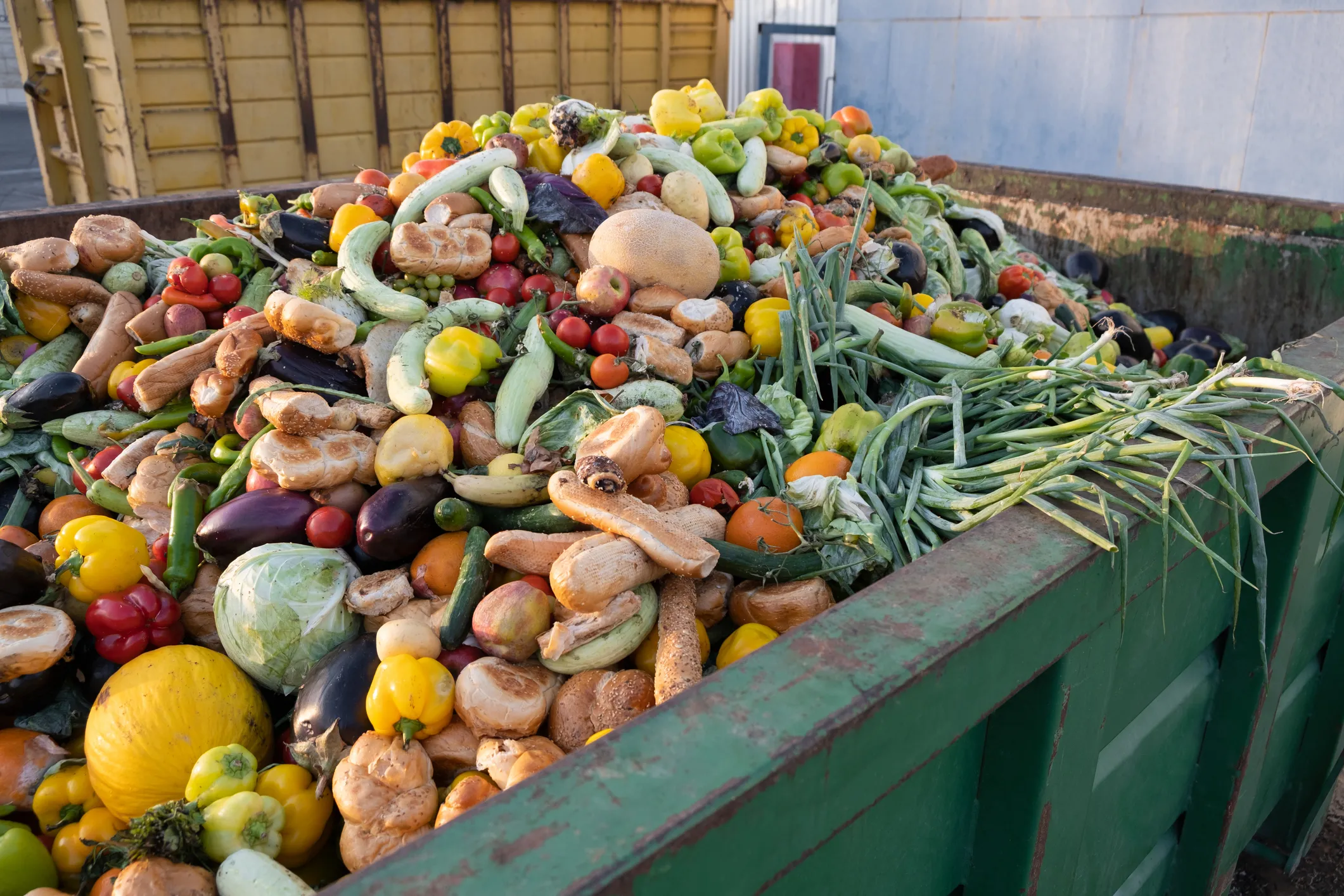
At the same time, although more than half (54.2%) admits to wasting food on a monthly basis or less, the pattern of what is discarded is constant: pre-prepared meals and leftovers (38.9%), along with fruits and vegetables (34.3%), are the most commonly discarded products.
A problem of awareness and organization: food waste
The main reason behind this food waste is that food spoils before it can be used (40.8%), followed by cooking excessive amounts and not consuming the leftovers.
Although most people already take measures such as freezing (71.6%), planning purchases (53.3%), or reusing leftovers (49.7%), there are still deficiencies in household organization that lead to significant losses.
Citizens’ demand for laws and lack of knowledge about legislation
One of the most notable results of the survey is that 57.6% of people believe there should be a law requiring food donation or rescue, while another 29.5% lean towards a regulation that provides incentives rather than obligations.
However, the vast majority is unaware if such laws already exist: 71.8% in Argentina, 64% in Chile, and 59.4% in Mexico lack information (even though the latter country has had specific regulations on the issue since 2022).

“The interest in having laws that regulate food waste is high, but the lack of knowledge about their existence shows that there is still much to be done.
It is necessary to strengthen education and communication so that society knows its rights, assumes responsibilities, and acts consciously in the face of this challenge,” said Kim Durand, co-founder and CEO of Cheaf.
Argentina: high concern, but little knowledge
In the context of its first six months of operations in the country, Cheaf reveals in its report that for 89.3% of Argentinians, food waste is a serious or relevant problem.
Likewise, half of the population believes that this issue should have a more prominent place on the public agenda. Despite this, only 62.3% know that this practice generates almost 10% of greenhouse gas emissions, and only 12.4% perceive themselves as very informed about the environmental impact of waste.
When asked about the urgency of the issue, only 39.9% of people in Argentina believe it requires immediate attention, placing the country below Chile (45.5%) and Mexico (42.4%).
Regarding habits, more than half of the surveyed Argentinians claim they rarely waste food, and 22.8% say they never do.
However, the most wasted foods in the country’s households are fruits, vegetables, cooked meals, and bakery products, in most cases because they spoil before being consumed.
The solution lies in more commitment and awareness
The applied solutions are mainly individual — freezing, reusing, planning — and there is a low adoption of community or collaborative strategies.
On the legal front, Argentina is the nation with the greatest regulatory unawareness: 71.8% of its inhabitants do not know if there is any regulation against waste, although 85.1% support the creation of a law that mandates or incentivizes the donation of food fit for consumption.
NGOs and food banks are considered the entities that are best managing the problem, while governments are at the bottom in terms of trust.
This data, combined with the high citizen concern, suggests that there is an opportunity to transform that awareness into concrete actions and effective public policies.
These findings challenge us to closely examine our daily decisions, as each wasted food has an impact on the economy, society, and the environment.
Beyond raising awareness, it is time to take action: plan purchases, reuse leftovers, support donation, and demand public policies that promote sustainability.
Reducing food waste is not just an individual challenge, but also a collective opportunity to transform habits into concrete actions and build a fairer and more sustainable future for all.



