



In Brazil, a group of specialists led by Marcia Mikai is promoting an innovative urbanism model: agroecological neighborhoods. The proposal aims to reduce the carbon footprint of cities, restore degraded ecosystems, and foster resilient communities.
The initiative arises in response to problems stemming from poor urban planning: floods, heat islands, water scarcity, and the growing disconnection between urban life and nature.
Pentagrama Projects in Sustainability and Regeneration
The company Pentagrama Projects in Sustainability and Regeneration, along with urban planners and architects, is applying this model in cities like São Paulo, where metropolitan expansion threatens agricultural lands and forests.
- The agroecological neighborhood combines sustainable forestry practices with mixed-use buildings.
- Spaces for environmental education and shared green areas are integrated.
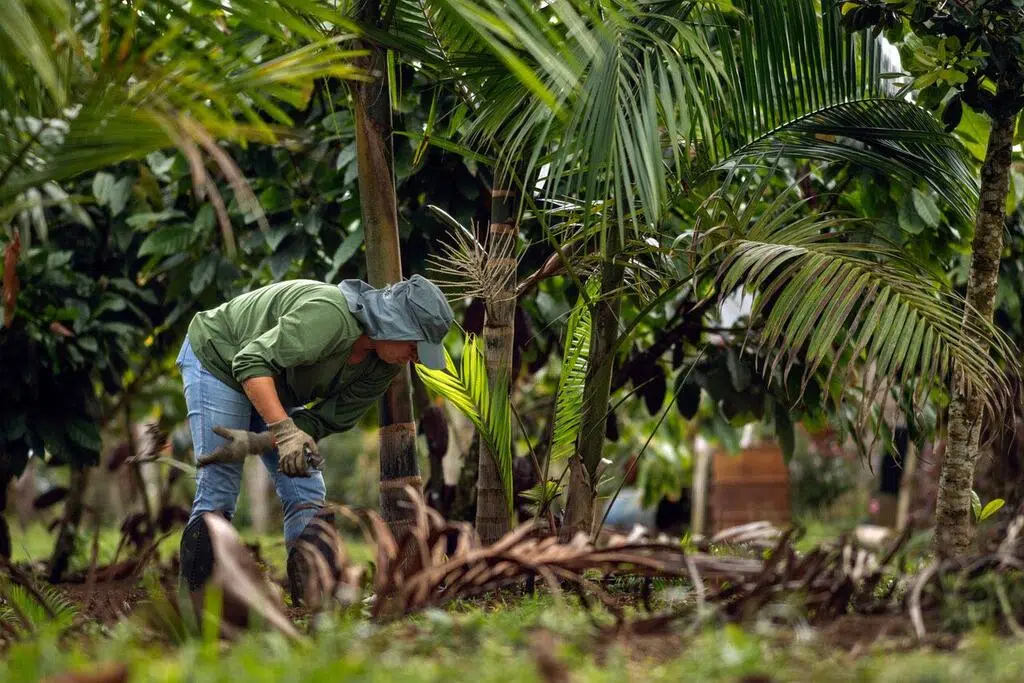
- Native and edible species are replanted, helping to cool cities, reduce floods, and replenish aquifers.
Environmental and social benefits
Agroecological neighborhoods offer multiple advantages:
- Biodiversity protection and refuge for endangered species.
- Local food production, reducing dependence on long supply chains and deforestation.
- Carbon absorption, turning urban growth into climate action.
- Social integration: spaces where young people, seniors, and people from different income levels coexist.
Mikai emphasizes that these neighborhoods can be profitable and attractive for those seeking food security and quality of life.
International support and financing
The model is also being tested in Brasilia and Curitiba, with support from the United Nations Environment Programme (UNEP).
- UNEP’s latest report warns that investment in projects that harm nature is 30 times greater than that allocated to positive solutions.
- Ivo Mulder, director of UNEP’s climate finance unit, insists that we must integrate nature into daily life, adapting cities to face extreme phenomena like intense rains.
The project is supported by BioCidades Empreendedoras, a program that promotes 50 entrepreneurs in urban climate resilience in São Paulo and Curitiba, along with organizations like Bridge for Billions and the Instituto Legado.
Global inspiration
The proposal is framed within the United Nations Decade on Ecosystem Restoration, which seeks to move away from extractive policies and restore life to the natural world. For Mulder, imagining cities like New York with more nature-based solutions helps project a positive future, with less energy consumption and greater productivity.
Brazilian agroecological neighborhoods show that it is possible to reconcile urbanism and nature. By regenerating degraded lands and creating sustainable communities, Brazil positions itself as a leader in building resilient cities with a low carbon footprint, offering a replicable model for other regions of the world.



