



The federal administration of the United States is pushing for a deep reform of forest policy, with the repeal of the Roadless Area Conservation Rule, in effect since 2001. This rule protected more than 23 million hectares of virgin forests, preventing road construction and logging in the most remote areas of the country.
The measure responds to Executive Order 14225, signed in March 2025, which mandates a 25% increase in timber extraction on federal lands. The Department of Agriculture (USDA), under the direction of Brooke Rollins, formalized the intention to revoke the rule in June. This opens an administrative process that would culminate at the end of 2026.
Environmental and Social Impacts
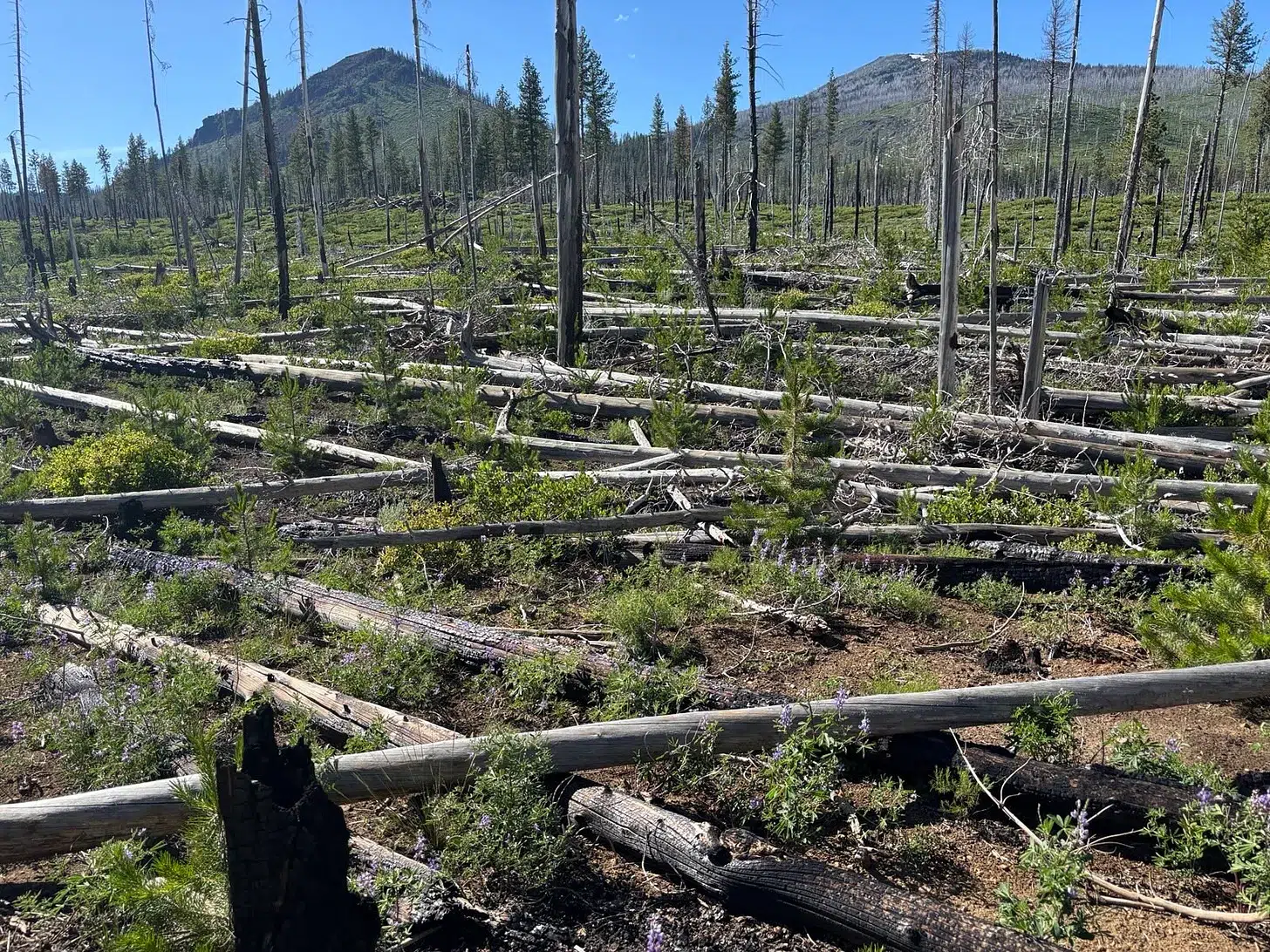
The repeal would allow the immediate exploitation of more than 10 million hectares previously protected. According to High Country News, this would affect key habitats for endangered species and increase ecosystem fragmentation. Road construction would increase erosion, sedimentation of watercourses, and the risk of forest fires.
One of the most sensitive cases is the Tongass National Forest in Alaska, with 3.7 million hectares of virgin areas. The Tlingit & Haida Nations have requested the suspension of authorizations. They argue that the forests are vital for local food security and the recovery of species such as deer, elk, and salmon.
Economy and Tourism
Nature tourism in these protected areas generates more than USD 45 billion annually, surpassing the economic impact of intensive logging.
Additionally, more than 13 million hectares serve essential functions for the provision of drinking water, benefiting 125 million people in the United States.
Reactions and Opposition
The repeal has generated social and political backlash. In the 2025 public comment phase, 99% of the 625,000 observations supported maintaining the Roadless Rule. Organizations such as the Center for Western Priorities and the Western Fire Chiefs Association warn that opening roads facilitates accidental ignition and increases the risk of uncontrolled fires.
Furthermore, the lack of mandatory consultations with tribal governments in 36 states has been denounced, constituting a violation of sovereign rights over more than 18 million hectares. Indigenous leaders emphasize that consultation and consent are not optional.
The repeal of the Roadless Rule represents a shift towards extractive priority, favoring resource extraction over long-term environmental and social services.
The national debate now focuses on the future costs of this decision and the weakening of the foundational principle of the Forest Service: to provide “the greatest good for the greatest number of people in the long run.”


