



After two decades, the city of La Plata once again conducted a comprehensive survey of its fruit and vegetable belt, a strategic tool to gain in-depth knowledge of the diversity, size, and dynamics of the local sector.
The study, presented by Mayor Julio Alak, positions La Plata as a national leader in greenhouse production, with more than 1,720 hectares dedicated to this modality.
A key sector for the economy and food security
The survey identified 2,800 active agricultural operations in the district, occupying 4,922 hectares and employing more than 6,200 people, including producers, sharecroppers, and workers. The estimated annual production amounts to 95,955 tons, excluding floriculture volume.
“This work will allow us to design more precise public policies and continue strengthening the productive development of La Plata,” Alak highlighted during the event in the Hall of Agreements of the Municipal Palace.
Institutional coordination and technical rigor
The study was driven by the Consultative Council for the Development of La Plata, funded by the Municipality and the National University of La Plata (UNLP), and executed by the Sectoral and Territorial Development Laboratory (LabData), with support from the Provincial Directorate of Statistics.
- 18 professionals participated, including surveyors, supervisors, IT specialists, and geo-statistics experts
- Census takers from rural associations provided an expert and territorial perspective
- The low rejection rate reflects the producers’ commitment to the process
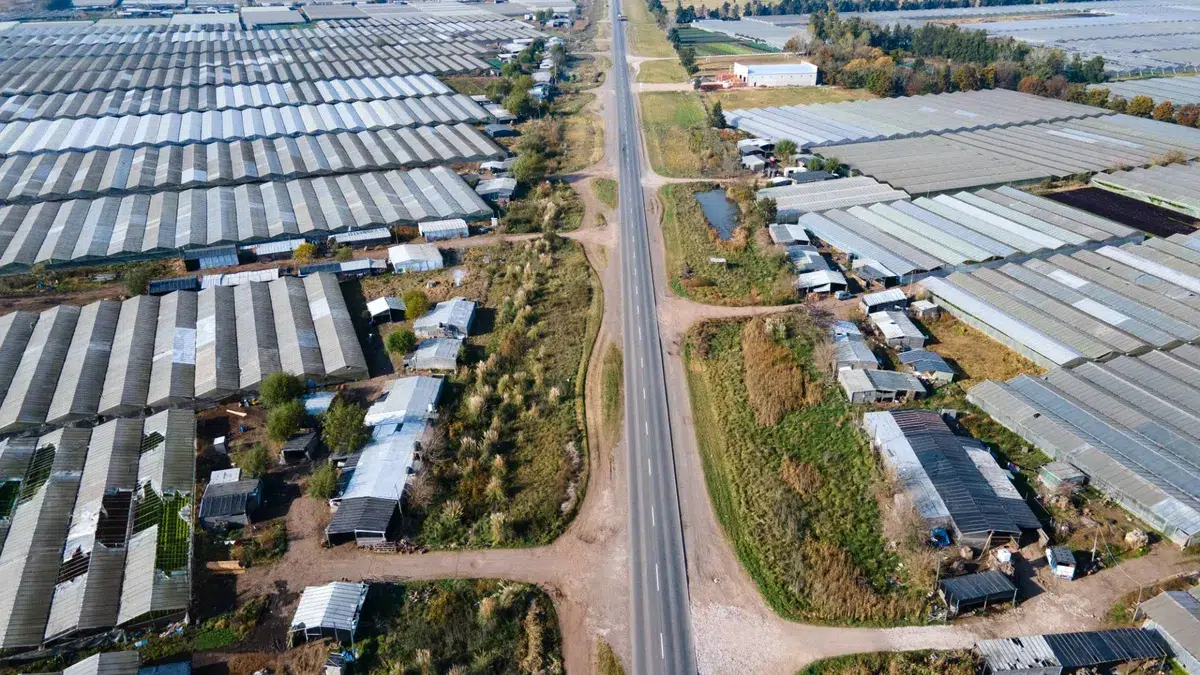
Productive profile of the La Plata fruit and vegetable belt
- Horticultural and floricultural crops: 4,005 hectares
- Field cultivation: 2,285 hectares
- Greenhouse production: 1,720 hectares (the largest in the country)
Of the total production:
- 89.5% corresponds to vegetables
- 10.3% to nurseries
- 0.1% to fruit trees
Main crops by volume:
- Tomato (35%)
- Swiss chard (11%)
- Butterhead lettuce (8%)
- Dried peppers (6%)
- Eggplant (5%)
- Crisphead lettuce (4%)
- Strawberry (4%)
Floriculture production: diversity and specialization
7% of producers are dedicated to floral crops, many combining species. Among them:
- Cut flowers (5.5%)
- Chrysanthemum (3%)
- Rose (1.8%)
- Carnation (1.3%)
- Lilium (0.3%)
- Gladiolus (0.1%)
Territorial projection and rural planning
The survey covered 71,804 hectares and 3,302 blocks of the La Plata territory, generating valuable inputs for provincial censuses, academic research, and sectoral strengthening programs.
The initiative is coordinated with policies such as:
- Rural Roads Program
- Buenos Aires Markets at the Regional Market
- ADA–UNLP Water Management Plan
With this data, the La Plata fruit and vegetable belt is consolidated as one of the most important in the country, supplying fresh food to the AMBA and other urban centers, reaffirming its strategic role in national food sovereignty.


