



The world food system is facing a multifaceted crisis, according to a recent report prepared by the World Food Programme with economist Mariana Mazzucato.
Despite the fact that food production needs to increase by 50% to meet future demand, productivity is declining, worsened by the climate risk.
What is happening with the global food system
In a new report prepared with the World Food Programme, the author of The Big Con and professor at University College London underscores several issues. Malnutrition, biodiversity loss, and carbon emissions appear as critical problems that require a radical approach.
Facing this scenario, Mazzucato proposes that school meal programs should not only be a social safety net but also a powerful lever for transforming the food system.
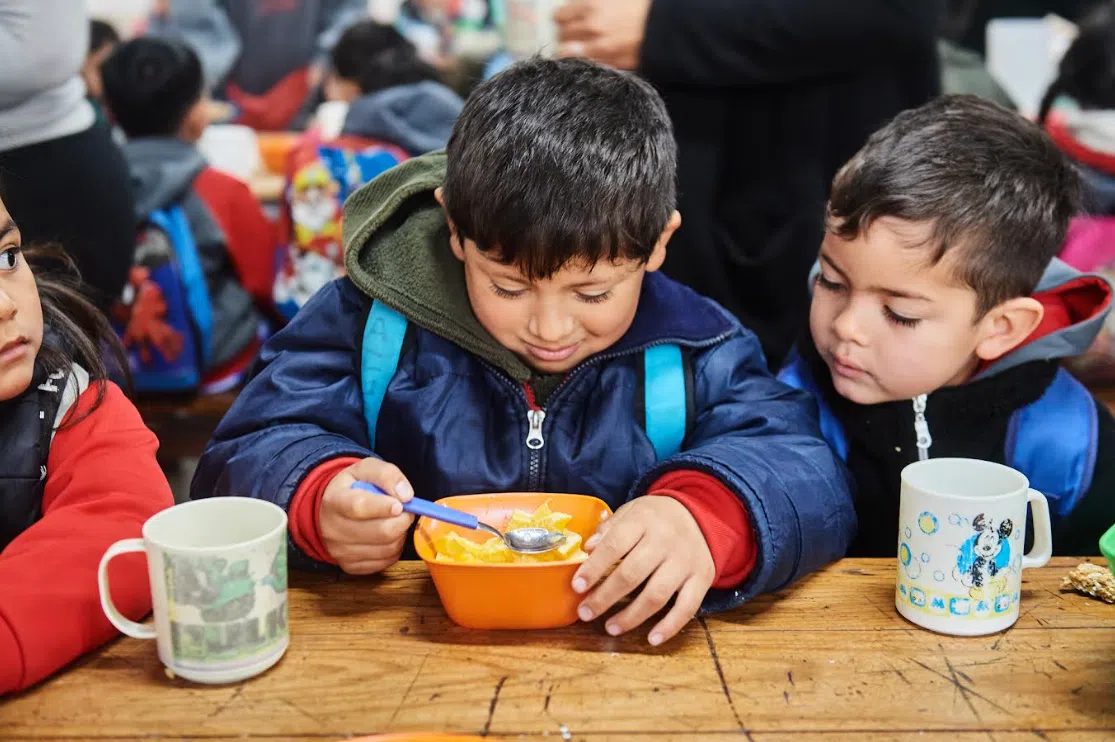 How school meals could transform the food system.
With a global annual spending of US$84 billion benefiting 466 million children, these programs offer a unique opportunity to also drive economic growth. This is in addition to advancing environmental and climate goals.
The specialist argues that historically, public procurement in this sector has rewarded low cost, favoring large agri-food corporations with low-nutrient foods.
This has left aside local and sustainable producers. The solution is to change the approach and use school meals as an industrial policy and a public infrastructure that shapes the market.
Key strategies for mission-oriented transformation
In this sense, the specialist proposes four essential steps to maximize the potential of school meals:
- Position school meals as an investment: stop seeing them as an expense and recognize their ability to generate massive returns, ranging from US$7 to US$35 for every dollar invested. With benefits in health, education, and agriculture.
- Redesign public procurement: promote demand for local and sustainable products, linking programs with family farms and small producers.
- Assume the role of market shaper: governments should use school meals as platforms for innovation, collaborating with farmers, civil society and other actors. The goal is to develop solutions that improve the value chain.
- Strengthen state capacity: it would be crucial for public agencies to be proactive and dynamic. With the ability to experiment and adapt strategies to effectively shape the market.
Thus, to achieve large-scale change, global cooperation is fundamental and to reform international trade rules.
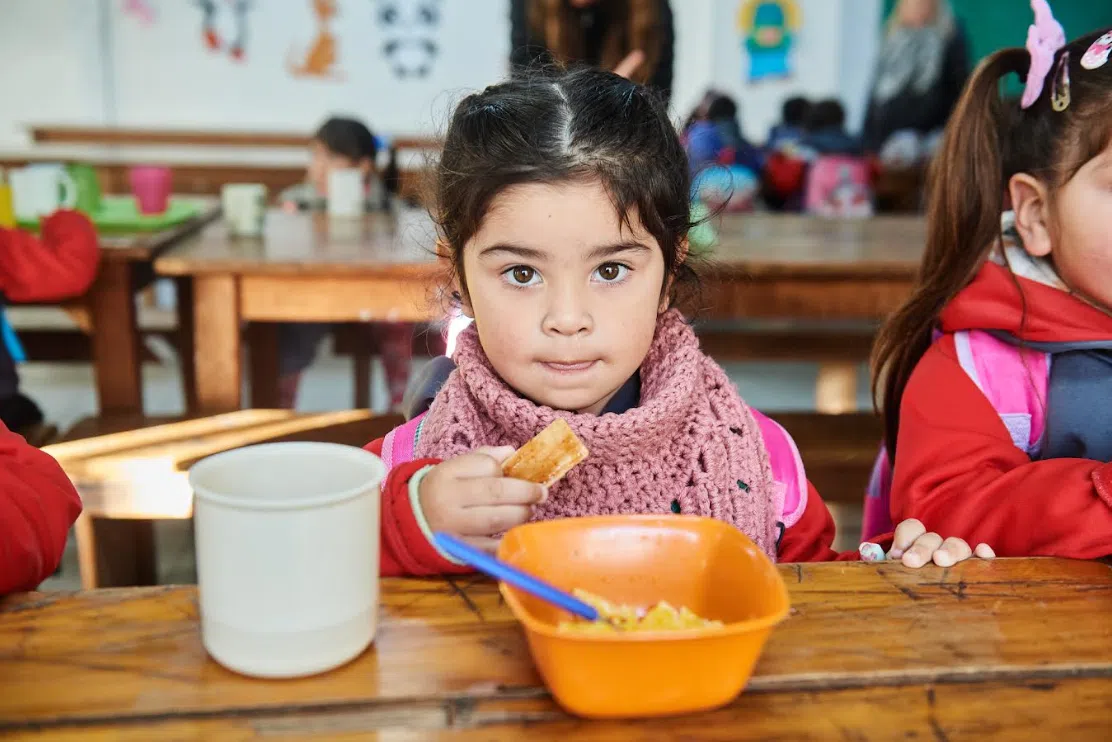 What experts say about school meals.
In this line, programs like the one in Brazil are mentioned. The country allocates at least 30% of its budget to family farms. They demonstrate that this approach is viable and can have a significant impact on the local economy.
In conclusion, according to the expert, it is not just about feeding children, but about leveraging this vast program to restructure a global food system that is failing. They aim to turn it into a driver of innovation and sustainability.



